A Decade of Style: How Fashion Transformed from 2015 to 2025
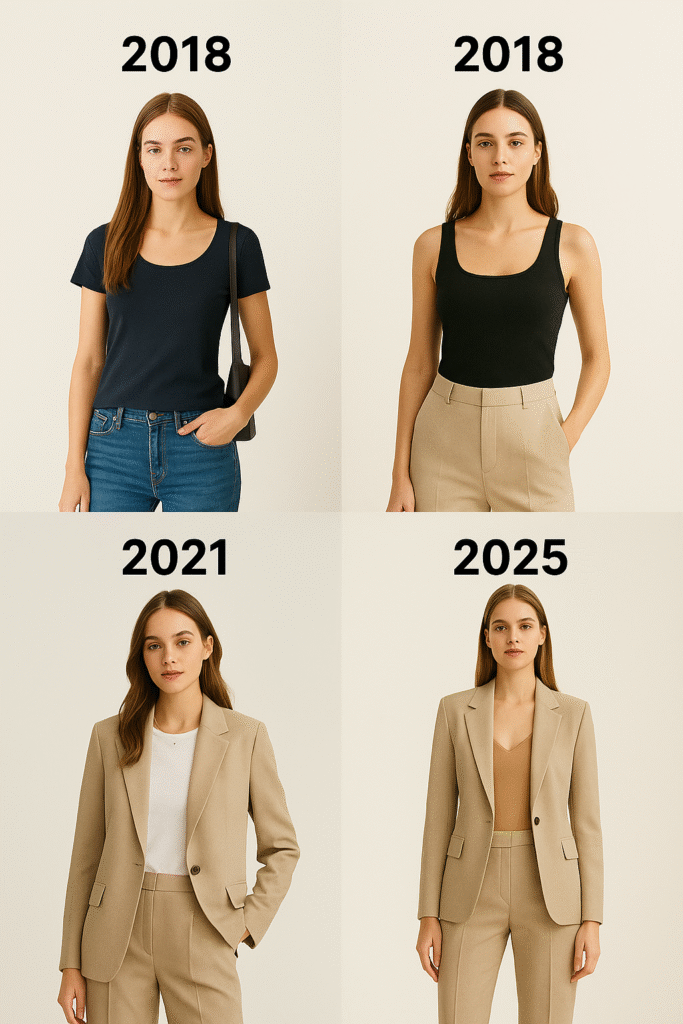
Fashion is a constantly evolving reflection of culture, technology, and societal values. Looking back from 2015 to 2025, it becomes clear that this decade witnessed one of the most dramatic shifts in how people dress, shop, and express themselves. From the rise of influencers and fast fashion to the wave of sustainability and digital wardrobes, the transformation has been both exciting and revolutionary. Let’s explore the major changes that shaped fashion over these ten influential years.
2015–2017: The Era of Fast Fashion and Instagram Aesthetics
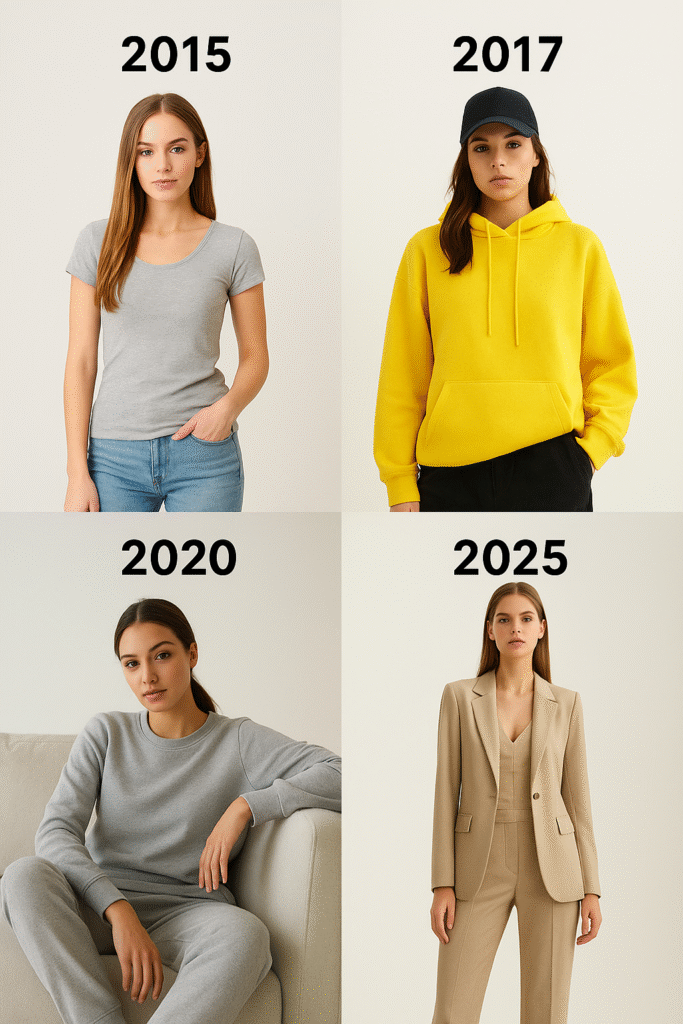
In 2015, fashion was driven largely by fast fashion giants, celebrity culture, and the early boom of social media influencers. Platforms like Instagram shaped trends at lightning speed, creating a global appetite for new outfits every week.
Key Trends of This Era
- Slim-fit silhouettes dominated wardrobes—skinny jeans, bodycon dresses, bomber jackets.
- Athleisure began making waves with yoga pants, sports bras, and branded tracksuits rising in popularity.
- Minimalist aesthetics, inspired by brands like COS and Everlane, encouraged clean lines and neutral colors.
- Streetwear was starting its takeover, blending luxury with casualwear.
Fast fashion brands thrived on rapid trend cycles. The desire to keep up with the “Instagram look” made consumers crave newness more frequently than ever before.
2017–2019: Streetwear Takes Over & Gender Norms Begin to Shift
By 2017, fashion was undergoing a bold transformation. Streetwear became mainstream, reshaping the definition of luxury. Brands such as Off-White, Supreme, and Yeezy bridged the gap between high fashion and everyday wear.
Big Shifts During These Years
- Oversized hoodies, chunky sneakers, cargo pants, and graphic tees ruled the streets.
- Collaborations between luxury houses and street brands blurred traditional boundaries.
- Logo mania returned, with large brand names displayed across clothing.
- Conversations around gender fluidity in fashion began gaining visibility, influencing silhouettes and collections.
This period marked an important cultural shift: comfort and self-expression were becoming more important than rigid fashion rules.
2020–2021: The Pandemic and the Rise of Comfort Fashion
The COVID-19 pandemic dramatically reshaped fashion in 2020. With millions of people working from home, fashion evolved out of necessity.
Fashion in the Pandemic Era
- Loungewear, pajamas, sweatpants, hoodies, and slipper-like footwear became everyday essentials.
- Makeup routines simplified, and fashion leaned toward natural, comfortable, and functional designs.
- Online shopping skyrocketed, pushing brands to reinvent their digital presence.
- DIY fashion, tie-dye projects, and upcycling trends surged due to lockdown creativity.
This period highlighted the value of comfort and sustainability. People began to question overconsumption and rediscovered the joy of slow fashion.
2021–2023: Sustainability, Inclusivity & the Y2K Comeback
As the world adjusted to a new normal, fashion moved into a more thoughtful and expressive phase.
Major Trends Post-Pandemic
- Sustainability became a priority. Shoppers began demanding transparency, eco-friendly fabrics, and ethical production.
- Thrifting and second-hand fashion became trendy, especially among younger generations.
- Digital fashion shows and virtual try-ons emerged.
- Inclusivity became a core expectation—not a bonus. Brands expanded size ranges, embraced diverse body types, and showcased more authentic beauty.
- The Y2K revival exploded: low-rise jeans, baby tees, mini skirts, rhinestones, bright colors, and lots of nostalgia.
This era showed that fashion could be both fun and responsible, playful yet conscious.
2023–2025: Quiet Luxury, Tech-Driven Fashion & Individual Expression
By 2023, the fashion landscape shifted again—this time toward quiet confidence. The trend of quiet luxury (or stealth wealth) became a global statement. Rather than flashy logos, people gravitated toward timeless pieces made with quality craftsmanship.
Defining Trends of 2023–2025
- Neutrals, structured coats, premium basics, leather accessories, and minimal silhouettes.
- AI-generated fashion, virtual fitting rooms, and digital closets became part of everyday shopping.
- Upcycling and repair culture became normalized.
- Gender-fluid fashion turned mainstream with unisex collections dominating retail.
- The blend of maximalism and minimalism created personal, hybrid styles—statement jewelry paired with simple outfits, bold colors with clean tailoring.
- Metallics, sheer fabrics, and futuristic textures rose in popularity for occasion wear.
Fashion in this period emphasized individuality. The message was simple: choose what reflects YOU, not just what trends dictate.
A Decade of Change: What Truly Transformed?
Between 2015 and 2025, the fashion world underwent deep transformation—not only in styles but in values, technology, and consumer behavior.
1. From Fast Fashion to Conscious Consumption
Where 2015 encouraged weekly trend turnover, 2025 promotes long-lasting, sustainable fashion. Consumers now prioritize durability, ethics, and environmental impact.
2. From Traditional Influence to Digital Dominance
Influencers in 2015 shaped trends visually. By 2025, AI, virtual influencers, and digital fashion platforms influence trends in real time.
3. From Strict Gender Norms to Fluid Fashion
Men’s and women’s categories have become more blended. Gender-fluid fashion, once niche, is now fully accepted.
4. From Perfection to Authenticity
In 2015, “perfect” Instagram aesthetics dominated. By 2025, authenticity, individuality, and comfort lead the way.
5. From Mass Trends to Personalized Style
The biggest shift is that fashion is no longer one-size-fits-all. Trend cycles have diversified, giving space for micro-styles, cultural appreciation, and personal expression.
Conclusion: The Future of Fashion Beyond 2025
The decade between 2015 and 2025 redefined fashion as more than clothing—it became a medium of identity, sustainability, and digital innovation. This era proved that fashion can adapt to global change, reflect social progress, and empower individuals to express themselves freely.
As we step beyond 2025, fashion is set to become even more inclusive, tech-driven, customizable, and environmentally conscious. One thing is certain: the next decade will bring even more exciting transformations.
Leave a Reply